Healthy living Pregnancy: signs and symptoms
A woman’s wellbeing during pregnancy is sometimes impacted by unpleasant pregnancy-related symptoms such as morning sickness. Home remedies and simple changes in behavior can alleviate symptoms associated with pregnancy.
At a glance
- During pregnancy, a woman’s body changes to ensure that the baby has enough space to grow and gets everything they need.
- The physical changes can cause unpleasant side effects.
- The most common pregnancy symptoms include nausea, breast tenderness, back pain and gum inflammation.
- Pregnancy symptoms are usually harmless and only temporary.
- If you have any doubts or any persistent or unusual pregnancy symptoms, you should seek medical advice or support from your midwife.
Note: The information in this article cannot and should not replace a medical consultation and must not be used for self-diagnosis or treatment.

What causes pregnancy symptoms?
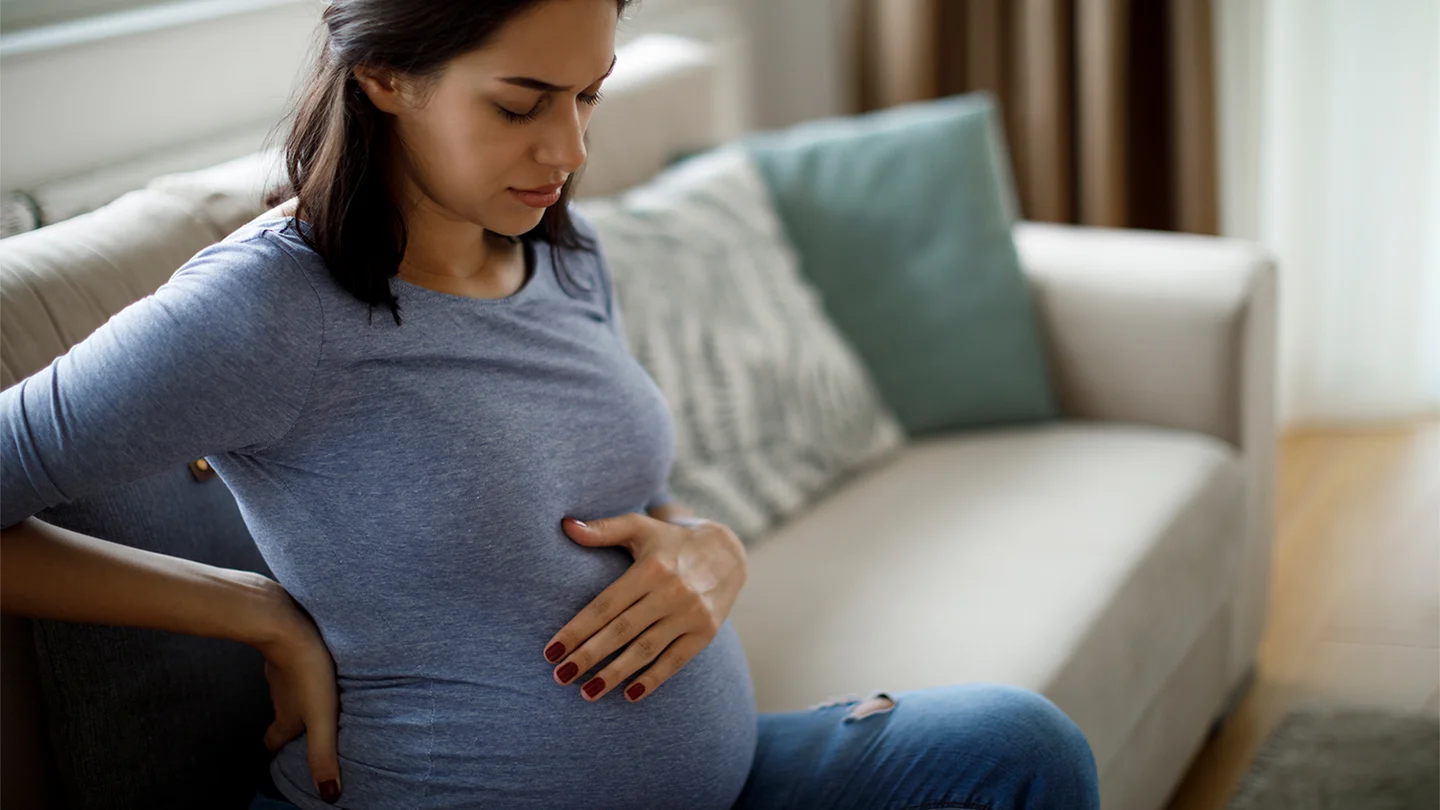
During pregnancy, a woman’s body adjusts to provide for the growing child and to prepare for the birth. Many women enjoy this time, looking forward to the arrival of their baby and feeling better than ever. However, the physical changes often also bring discomfort. These pregnancy-related symptoms are usually harmless and can change as the months pass. For example, some women may suddenly feel extremely tired or hungry. They may be sensitive to certain smells, suffer from nausea or their breasts may become tender and sore.
These typical pregnancy-related symptoms are sometimes a way of letting expectant mothers know that they are pregnant at an early stage, long before a pregnancy test confirms it. Taking medicines and herbal remedies without medical advice is not advised during pregnancy. However, using home remedies and making small changes in behavior can alleviate the symptoms of pregnancy.
What are the first signs of pregnancy?
Whether and how quickly a woman notices that she is pregnant can vary considerably. The absence of a menstrual period is a key tell-tale sign of pregnancy. However, some women notice possible signs of pregnancy early on. The first signs of pregnancy can include:
- morning sickness
- sensitivity to smells and food
- unusual appetite/cravings
- tenderness in the breasts
- tiredness
- bloating and gas

At-home pregnancy tests provide an initial indication of whether a woman is pregnant. They can be bought over the counter at drugstores or pharmacies or purchased online. After the fertilized egg has implanted in the uterus, the body produces a pregnancy hormone. This can be detected in the urine after about 14 days. However, the test can be negative despite an existing pregnancy if the amount of pregnancy hormone is still low. If the test is positive, it is most likely that the woman is pregnant.
This should then be promptly confirmed by a visit to a gynecologist. A midwife can also determine whether a woman is pregnant. A blood test can be used to confirm with certainty whether a woman is pregnant after just 6 to 9 days. A painless ultrasound can establish the pregnancy from the fifth or sixth week onwards. A gynecologist can also calculate an estimated date of delivery.
What are typical pregnancy symptoms and what can be done to alleviate them?
Pregnancy is not an illness. However, an expectant mother’s body is constantly changing as her unborn child grows inside her womb. This can result in various side effects and symptoms. Most are harmless and resolve on their own. Some symptoms can be alleviated by using simple home remedies and making small changes in behavior. If the symptoms are prolonged or very distressing, expectant mothers should see a doctor. Midwives also provide help with pregnancy-related symptoms.
Typical pregnancy symptoms are listed below.
Bloating and constipation
Bloating is common in pregnancy. The body produces hormones that relax the muscles for the growing abdomen and to prepare for the birth. As part of this process, the abdominal muscles also relax. This slows down digestion and can cause constipation and bloating. Later on in pregnancy, the growing uterus may constrict the intestines.
Bloating and constipation are unpleasant, but do not harm the unborn child. Do not use laxatives. Most are not recommended for pregnant women. Since enemas can trigger contractions, they are also unsuitable.
Tips for bloating and constipation:
- Have several smaller meals during the day.
- Avoid foods that cause flatulence, such as onions, cabbage, broccoli or deep-fried foods.
- Fennel, aniseed and caraway seeds either drunk in the form of tea or used in massage oil for the stomach can alleviate the symptoms.
- Exercise, a hot bath and warmth in general can help with bloating and constipation.
- It is important to drink plenty of fluids.
- Soaked dried fruit, psyllium husks or flax seeds stimulate digestion.
If the symptoms persist, ask your midwife or doctor for advice.
Bladder weakness (urinary incontinence)
Many pregnant women need to urinate more often. Some hormones in pregnancy cause certain muscles to relax. The bladder sphincter muscle is one of these muscles. The growing uterus later presses on the bladder and makes women want to go to the toilet more often.
7 out of 10 pregnant women also report that they can sometimes not hold on, especially when they cough, sneeze, laugh or run. This is especially true during the last trimester of pregnancy and in women who have given birth before.
How long do pregnancy symptoms last?
Typical pregnancy-related symptoms usually come and go over the months. They are usually limited to the first trimester of pregnancy. Even if they last longer, they disappear by the time of the birth. Common problems of early pregnancy, such as nausea and breast tenderness, normally ease during the fourth month.
Many women experience a pleasant, carefree second trimester of pregnancy, as their bodies have, by then, adapted to the hormonal changes. At this point, they are not yet bothered by changes in waist circumference and weight. Most women feel mentally balanced again and full of energy. The first noticeable movements of the baby also contribute to their feelings of happiness.
In the last trimester of pregnancy, symptoms may increase again. By now, the baby is much bigger and heavier. The birth is imminent. For some women, the growing waist circumference causes back pain, heartburn, water retention, a frequent urge to urinate and sleep problems. The birth of a child can bring mixed feelings – along with excitement and anticipation come feelings of worry and awe about the upcoming event.
When should I see a doctor?
Pregnancy is not an illness, but it represents a special situation. Many processes in the body are changing and some things require treatment.
Many conventional drugs and even medicinal teas, homeopathic remedies or naturopathic treatments are therefore not appropriate during pregnancy. Before you take any medication or start any treatment to alleviate symptoms, you should definitely clarify this with your doctor.
Also, don’t hesitate to ask your doctor or midwife for advice if symptoms persist or you feel severe physical discomfort. Most pregnancy-related symptoms are harmless, but some can develop into serious illnesses for which home remedies are no longer effective.
Finally, you should also talk to your gynecologist or midwife if anything is troubling or worrying you. As well as being medical specialists, they are also available to offer you advice and to support and guide you during your pregnancy and the birth.
- Berufsverband der Frauenärzte e.V. Anzeichen einer Schwangerschaft & Schwangerschaftstest. Aufgerufen am 21.01.2021.
- Berufsverband Deutscher Internisten e.V. Ödeme: Ursachen & Risikofaktoren. Aufgerufen am 21.01.2021.
- Bundeszentrale für gesundheitliche Aufklärung (BZgA). Broschüre „Rundum – Schwangerschaft und Geburt“. Aufgerufen am 21.01.2021.
- Bundeszentrale für Gesundheitliche Aufklärung (BZgA). Schwangerschaftsbeschwerden. Portal „familienplanung.de“.
Aufgerufen am 21.01.2021. - Institut für Qualität und Wirtschaftlichkeit im Gesundheitswesen (IQWiG). Schwangerschaft und Geburt. Portal „gesundheitsinformation.de“. Aufgerufen am 21.01.2021.
- Lasch L. Fillenberg S. Basiswissen Gynäkologie und Geburt. Springer: Berlin 2017.

Reviewed by the German Midwifery Association (Deutscher Hebammenverband e.V.).
As at: